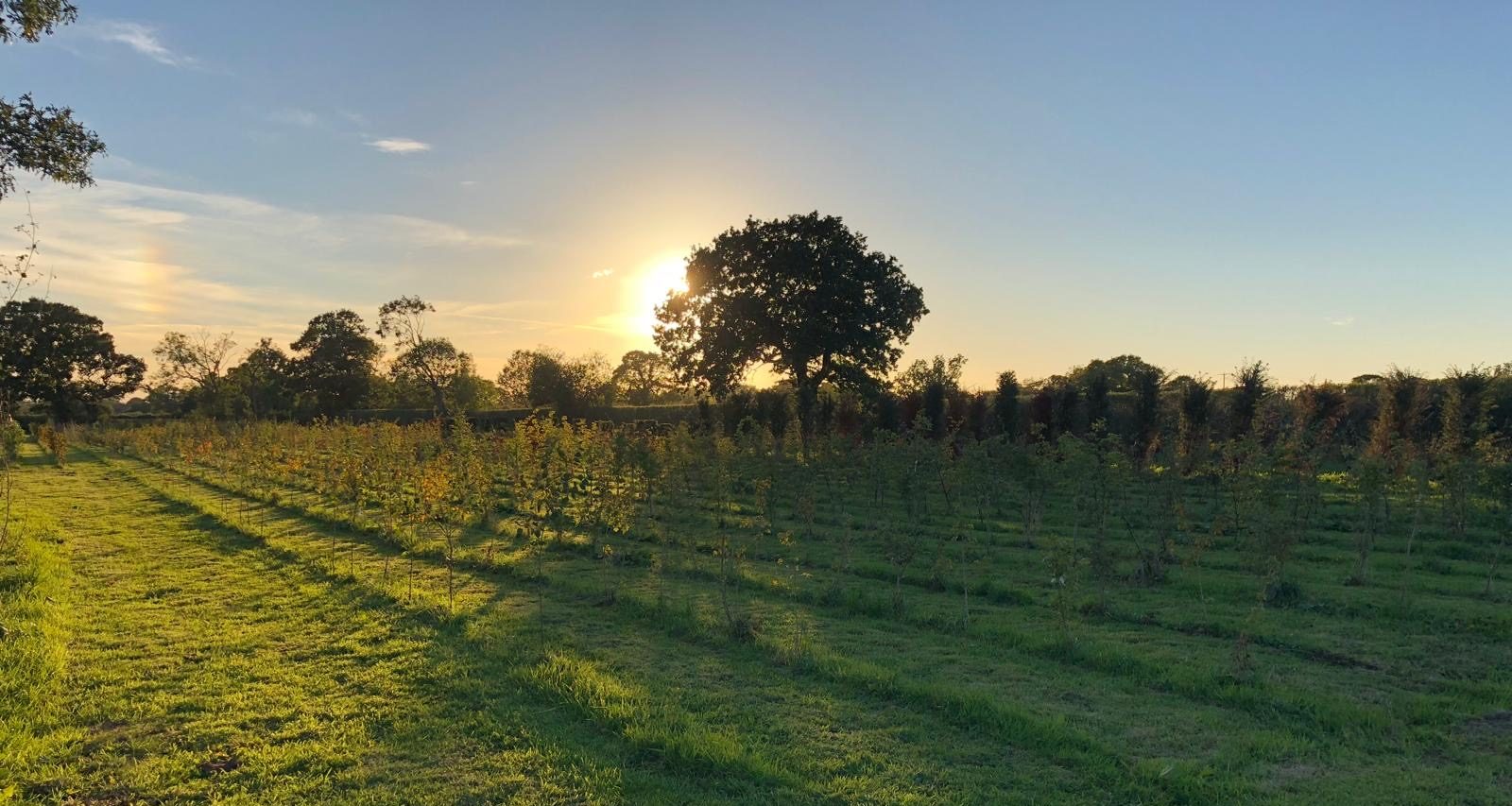
This is our essential guide on native hedging. Whether you are an amateur gardener or dedicated landscaper, this guide will take you through everything from what is native hedging to the species and ways to maintain them.
Native hedging has become increasingly popular in today’s gardening industry, and at Big Hedge Co we firmly believe it has an important role to play in every garden. From both an aesthetic and ecological standpoint, native hedging supports biodiversity while offering an elegant, low-maintenance way to add structure and year-round interest to any outdoor space.
That’s why we proudly grow it across our 10 acres of Cheshire land, and deliver it across the UK to those wanting a premium product. Our available instant hedging has been planted 9 years ago and meticulously hand-grown in our own fields, planted and maintained by Big Hedge Co. Director David Binks himself.
So, let’s get into it!
Native hedging is made up of plant species that originate from a specific region. In the case of British native hedging, this includes UK-grown trees and shrubs that have adapted to thrive in our climate and soil conditions, many of which have naturally colonised the landscape since the last Ice Age.
They tend to be more hardy throughout the year, resilient to local pests and diseases and have that reliability we all want to have within our gardens and outdoor areas.
Mixed native hedges can offer different benefits to just a singular native hedge, and also mimic what we traditionally see out in the back roads and open fields in the British countryside.
Next time you’re out walking, take a deeper look at the rural hedging to see what different plants it might be made up of.
Choosing mature native hedging is not merely a gardening choice, it’s an active choice to support an ecological environment that allows both life and property to truly thrive!
The main benefit of mature native hedging is its huge contribution to biodiversity across our gardens. Hundreds of plants, over 1,000 insect species and many bird breeds rely on our hedgerows for survival and food. By including native hedging as part of your garden or project, you are actively promoting a greener Britain.
The likes of butterflies and moths depend on the shelter provided by hedgerows, and birds survive from the berries through the harsher Autumn and Winter months.
It truly is a wildlife corridor too with hedgehogs and badgers using them to safely navigate different habitats.
The instant mature native hedging we can provide at Big Hedge is a great step in helping wildlife thrive.
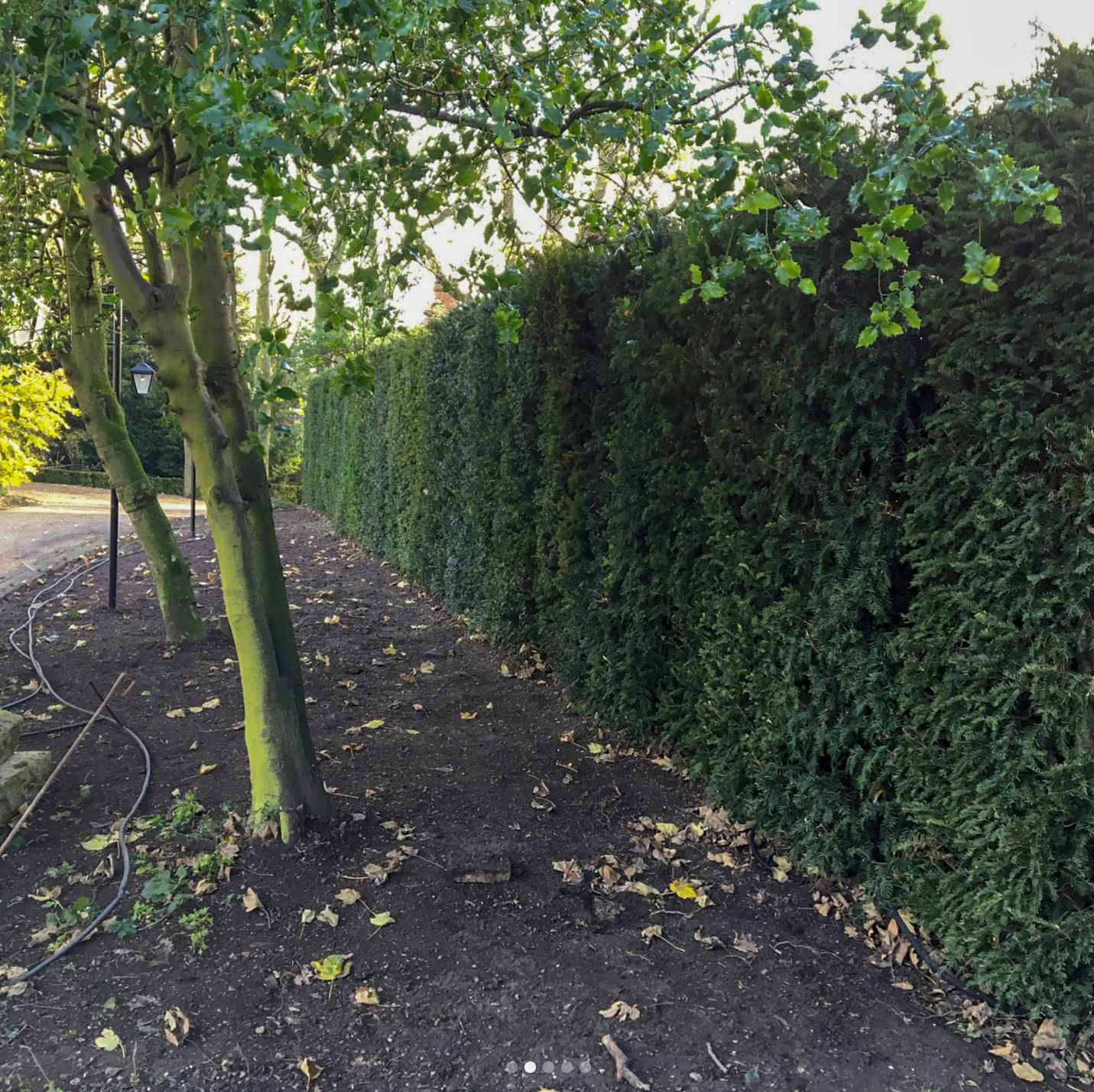
Image: 2.0m Taxus baccata (English Yew) Big Hedge
We’ve touched upon this already, but it’s worth reiterating how good native shrubs and plants are for sustainable gardening.
The hardiness to our British climate, that let’s face it is so unpredictable, makes for a more manageable approach to gardening. Potentially requiring less watering and feeding than non-native counterparts.
Mature hedgerows are also effective at capturing carbon, loving it away in their complex woody structures and soil beneath.
It’s not all just ecological though. Let’s be real, us gardeners and landscapes care a lot about how our gardens look and feel.
Mature native hedging, much like the term hedging in general, promotes a dense natural barrier for security. Larger mammals and humans can’t get through or over a big hedge.
And about big hedges… it provides a good level of privacy if you’re concerned about nosy neighbours or passers by. Take a look at our big hedges for example, not even a basketball player is going to be seeing over these.
Lastly, mature native hedging provides a good noise and windbreak whilst demarcating boundaries.
Choosing a mix of native hedging plants makes for a good diverse option for your garden or landscaping project.
Certain species are celebrated pillars of the British hedgerow for their hardiness and visual appeal:
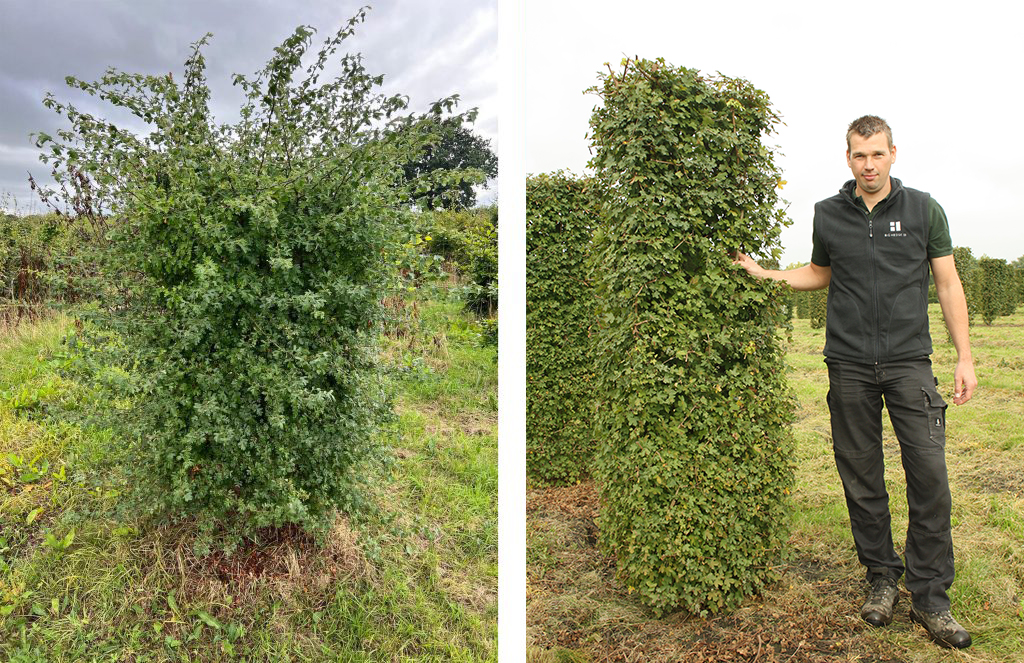
Image Left: Hawthorn, Right: Field Maple
At Big Hedge Co., we of course love every mature native hedge that we grow on our Cheshire plot, but there are a couple of extra special hedges.
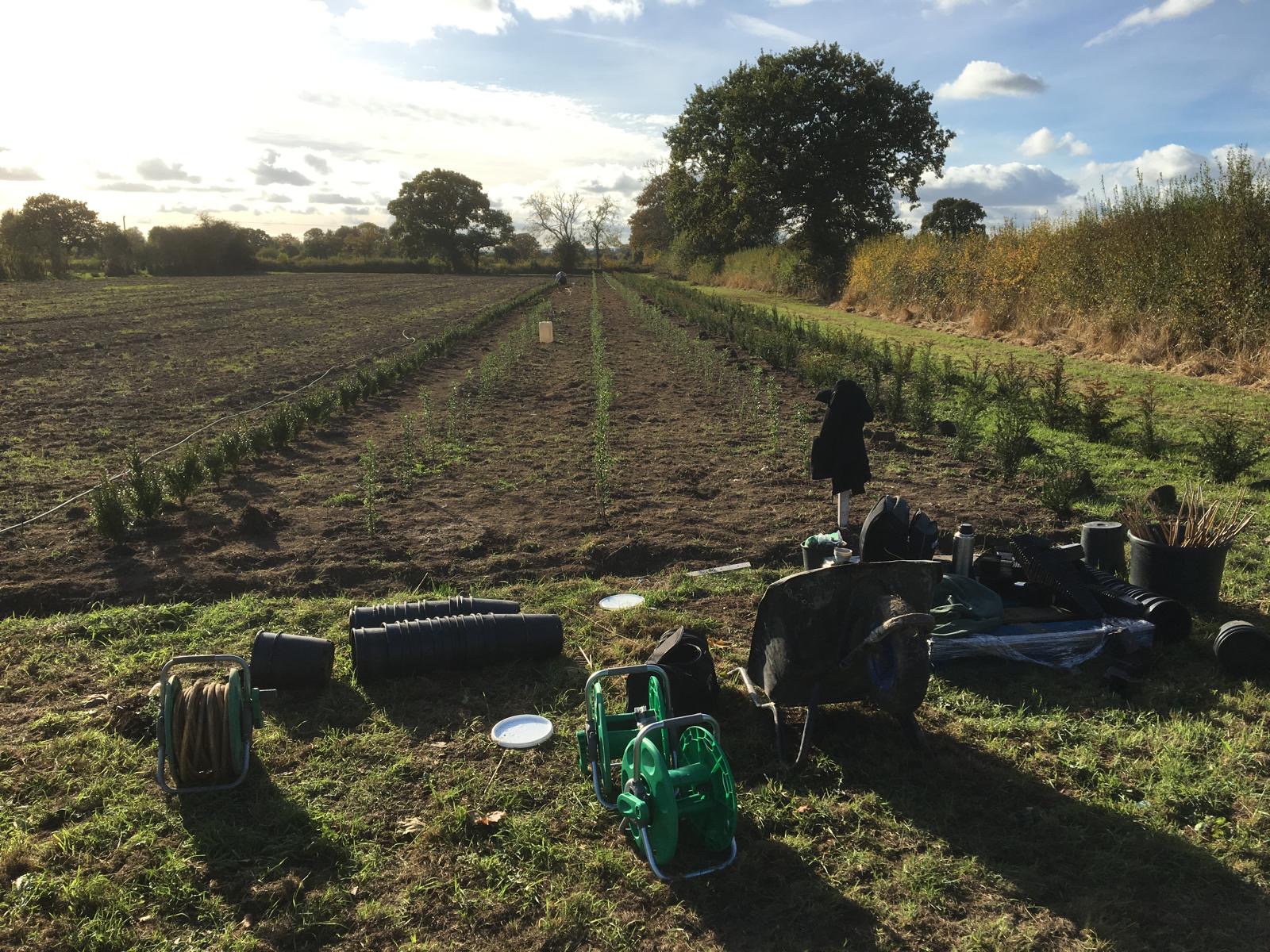
Image: How it all started
The ideal time to plant root ball mature native hedging is during the dormant season, from roughly November to March. For the best results, aim to plant before the end of December, while the soil is still warm enough to help the roots establish more quickly.
Planting during this window minimises transplant shock, as the plants are not actively growing and the ground is typically moist, giving them the best chance to establish a strong root system before the spring growing season begins.
When they are planted and woken up in Spring, they have had time to get used to their environment and are ready to thrive.
At Big Hedge Co., we sell root ball hedging plants during this season that are dug straight out of our soil & dispatched immediately.
Mature native hedging is highly tolerant of most soil types, but good preparation is essential. Incorporating mycorrhizal fungi or additives such as Carbon Gold can significantly boost root development, helping young plants establish faster and thrive in their new environment.
It might sound obvious but getting rid of weeds, grass and debris across the planting line is crucial for success.
Dig a trench deep enough to accommodate the Root Ball comfortably without bending them, and enrich the removed soil with compost or well-rotted manure to improve drainage and nutrient retention.
The most common and effective technique is planting in a staggered double row.
A major advantage of mature native hedging is its low-maintenance nature, but a little care with the correct pruning will ensure a healthy boundary that will be strong for years to come.
Instant hedging arrives already established, so pruning is more about shaping and maintaining density rather than encouraging initial bushiness.
Weeds are a big problem for younger hedges as all the water and nutrients are to fight for. Bark chips or shavings can be a good way to suppress unwanted growth and keep the moisture in too.
Natural wildlife pests won’t cause many issues and the circle of life between insects and birds will keep everything in check!
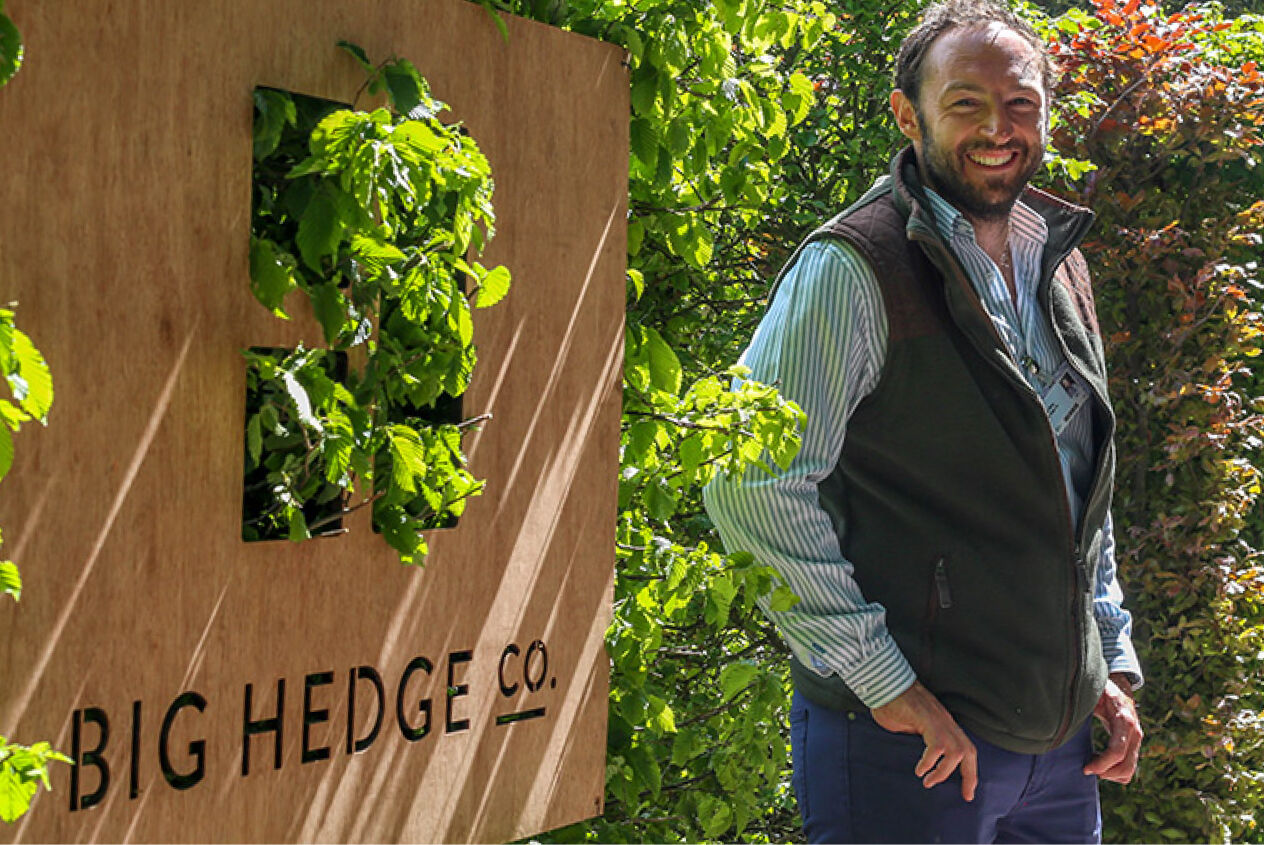
We are specialists in premium native hedging that’s big and ready to go. Since 2016 we’ve been the exclusive supplier to the RHS Chelsea Flower Show and continue to bring leafy smiles to our customers across the UK.
Take a look at our hedging catalogue to gauge size and pricing. Get in touch when you’re ready and we’ll look after you every step of the way.


